Experience the Epic: The Grand Traverse Mountain Bike Race
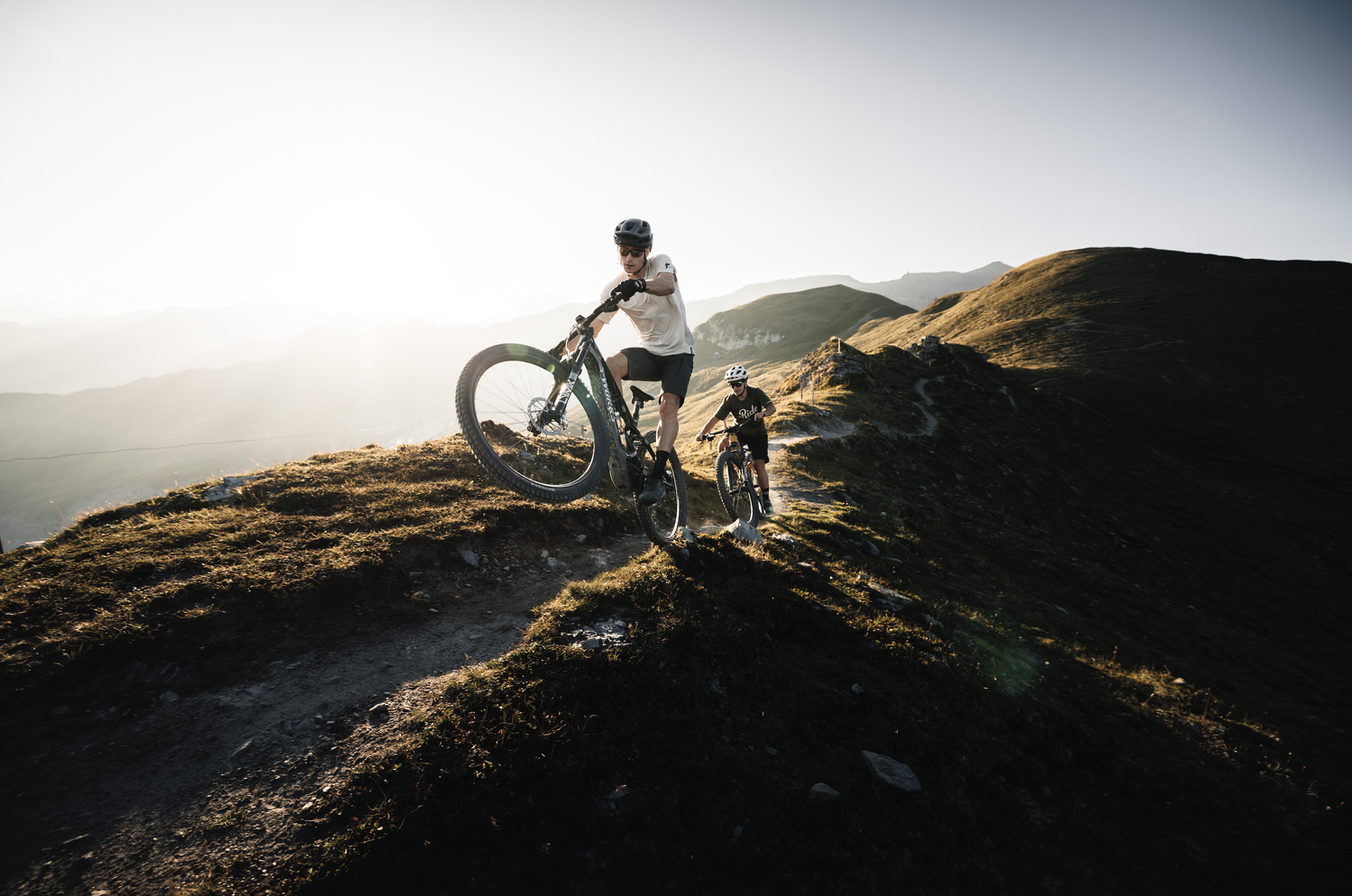
Whether you are a seasoned pro or an aspiring endurance athlete, the journey from Crested Butte to Aspen offers a sense of accomplishment that few other races can match. The atmosphere is electric, fueled by the shared adrenaline of hundreds of riders ready to tackle the thin air and massive vertical gains. This is mountain biking in its purest form - rugged, remote, and absolutely unforgettable.
What to Expect
- High-Altitude Grit - Prepare for a lung-busting journey that spends significant time above 10,000 feet, including a push over the legendary Star Pass.
- Technical Singletrack - Navigate a mix of flowy meadows, rocky technical sections, and steep switchbacks that will test your handling skills.
- Unpredictable Elements - Mountain weather can change in an instant, adding a layer of strategy and resilience to your race day.
- Backcountry Isolation - Much of the course traverses remote wilderness areas where self-sufficiency and mental toughness are just as important as fitness.
- Breathtaking Vistas - From fields of late-summer wildflowers to the jagged peaks of the Elk Range, the scenery provides a stunning backdrop to the physical struggle.
Course Description
The route follows a demanding point-to-point format, starting in the historic streets of Crested Butte and finishing in the heart of Aspen. The course is designed to showcase the diversity of Colorado riding, moving from valley floors to high-alpine ridges. Riders should be prepared for a mix of doubletrack fire roads and challenging singletrack trails.
The defining feature of the course is the ascent to Star Pass. This massive climb requires both physical strength and mental focus as the trail narrows and the air thins. Once over the top, riders are rewarded with a screaming descent through alpine basins before the final technical sections leading into Aspen. While the direction may vary depending on the year's specific logistics, the challenge remains a constant - a grueling trek across the roof of the Rockies.
Event Highlights
- Professional Support - While the race is remote, well-stocked aid stations are strategically placed to provide hydration, nutrition, and mechanical assistance.
- The Finish Line Vibe - Celebrate your achievement in Aspen with a post-race festival atmosphere, where stories of the trail are swapped over cold drinks and food.
- The Triple Crown - For the ultimate endurance athletes, the mountain bike race serves as a critical leg for those competing in the Grand Traverse Triple Crown, combining the winter ski race, the summer run, and the mountain bike event.
- Community Spirit - The event brings together the tight-knit cycling communities of two of the world's most famous mountain towns, creating a supportive and high-energy environment.
- Awards and Recognition - Top finishers across various categories are recognized, but the real prize is the finisher's medal and the bragging rights that come with conquering the Traverse.
Navigating the Terrain
Success at The Grand Traverse requires more than just fitness; it requires a deep respect for the mountains. Trail names like the "Death Pass" and the climb up to the high point of the race are etched into the lore of Colorado mountain biking. Riders should ensure their equipment is in top-tier condition, as the rocky descents and sustained climbs are notoriously hard on bikes. From the initial rollout to the final singletrack descent, every mile demands your full attention and a passion for the dirt.
The Grand Traverse on the Road
Frequently Asked Questions
Is The Grand Traverse suitable for beginner mountain bikers?
This is a high - altitude, point - to - point endurance challenge that requires an advanced skill level and significant stamina. Riders should be comfortable with technical descents, steep climbs, and long hours in the saddle at elevations exceeding 12,000 feet.
What kind of trail conditions should I expect on the course?
Prepare for a true backcountry experience featuring everything from flowy singletrack to rocky, technical sections. You will encounter high - alpine tundra, loose scree on climbs like Star Pass, and fast descents through the Brush Creek drainage.
What type of mountain bike is best for this event?
A lightweight cross - country or "downcountry" full - suspension mountain bike is highly recommended to handle the massive elevation profile. Ensure your rig is equipped with reliable brakes and tubeless tires suited for sharp Rocky Mountain shale.
How should I prepare for the high - altitude environment?
Acclimatization is vital, as the course traverses several high mountain passes where oxygen is thin. We recommend arriving in the area a few days early to adjust and staying strictly hydrated to mitigate the effects of the altitude.
Is the course marked, or do I need a GPS device?
The route is marked, but carrying a GPS device with the uploaded course map is strongly encouraged for backcountry safety. Weather can change rapidly at the summit of Taylor Pass, and a digital backup ensures you stay on track if visibility drops.
Where are the best spots for spectators to catch the action?
While much of the course is remote, the finish line in Crested Butte offers the best atmosphere for fans to cheer on finishers. Check the event website for the latest details regarding shuttle information and designated viewing areas along the final miles of trail.
Reviews
Share your photos, offer tips and course insights, or inspire others to join the fun!
The first 5 cyclists to review within 72 hours after this event receive a free Starbucks or Dunkin gift card ($10 value).
Sign in to write a review
Sign In